A Timeline of Major Spaceflight Events and Milestones: 1961-1970
From Yuri Gagarin to the Moon Landing

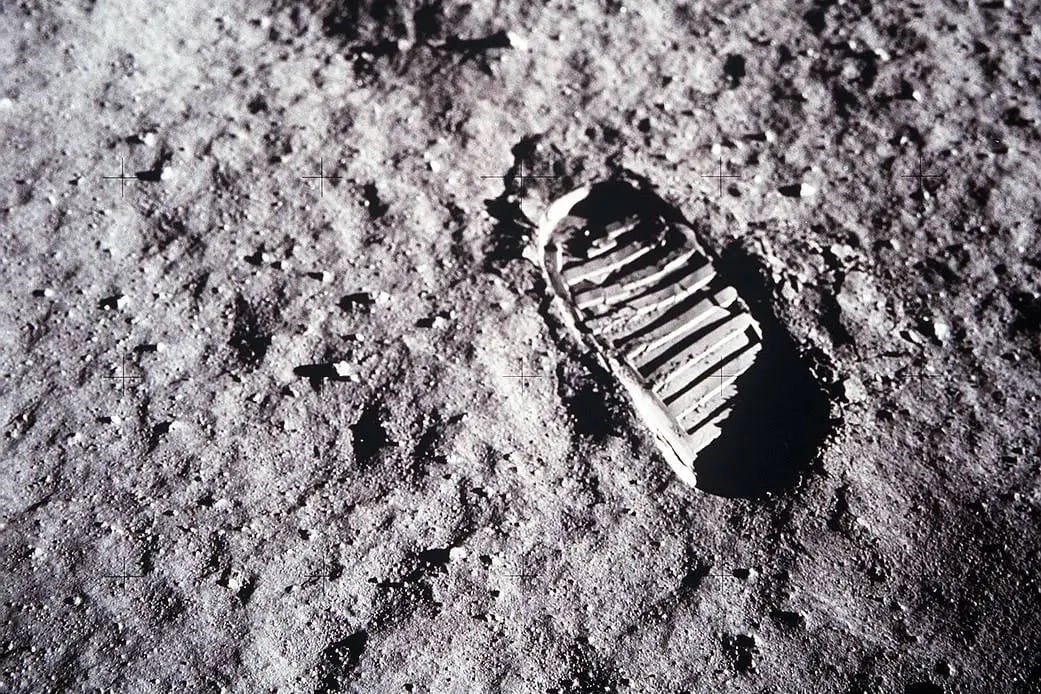
1961, April: Yuri Gagarin, the First Human (Cosmonaut) in Space
Soviet cosmonaut Yuri Gagarin became the first person to orbit Earth aboard Vostok 1, marking a historic breakthrough in human spaceflight and intensifying the U.S.–Soviet space race.
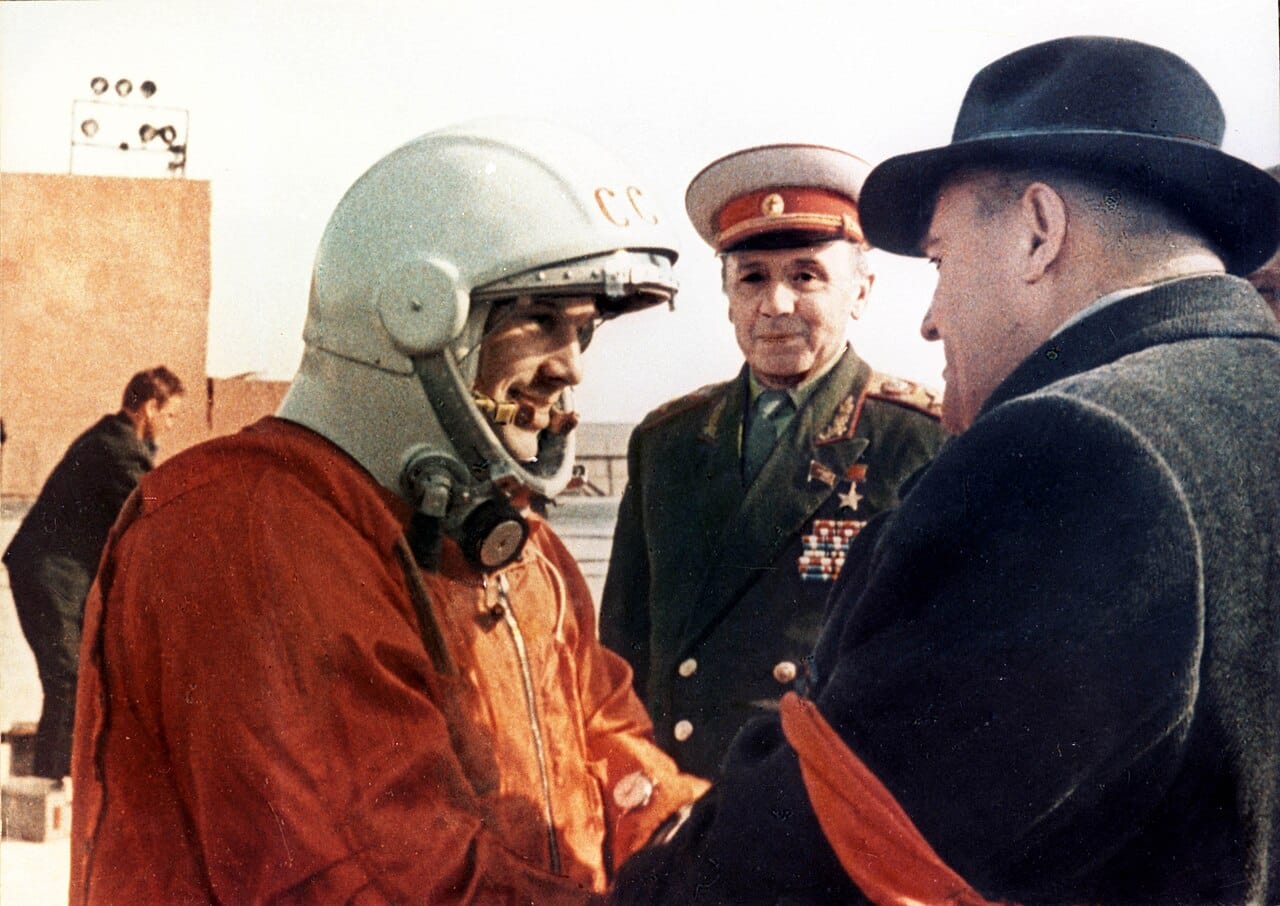
Radio communications between Gagarin and ground control during liftoff. Source: Roscosmos.
0:00
/82.546939
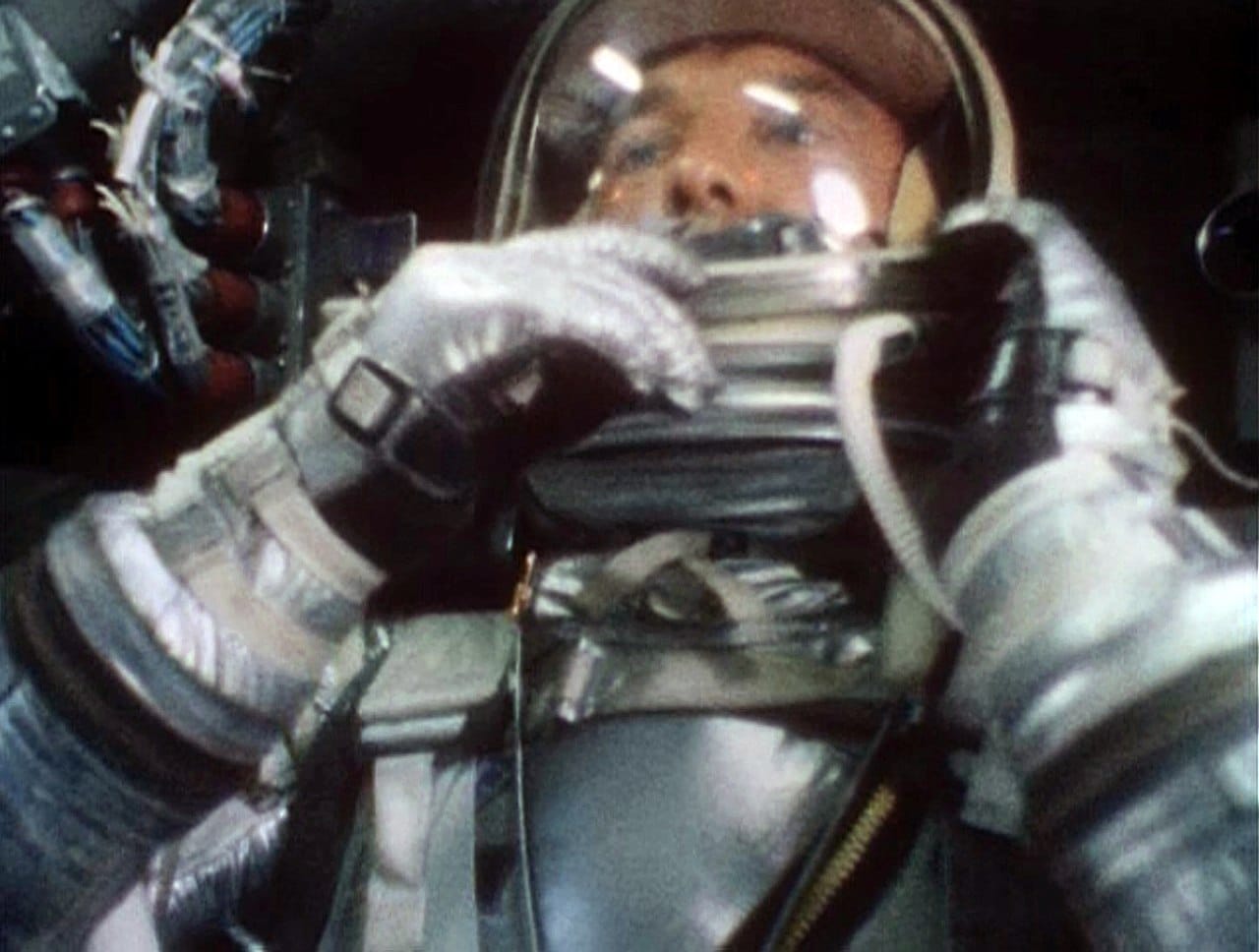
1961, May: Alan Shepard, the First Astronaut in Space
Astronaut Alan Shepard flew aboard Freedom 7 in a suborbital mission, becoming the first American in space and demonstrating U.S. progress in manned spaceflight.
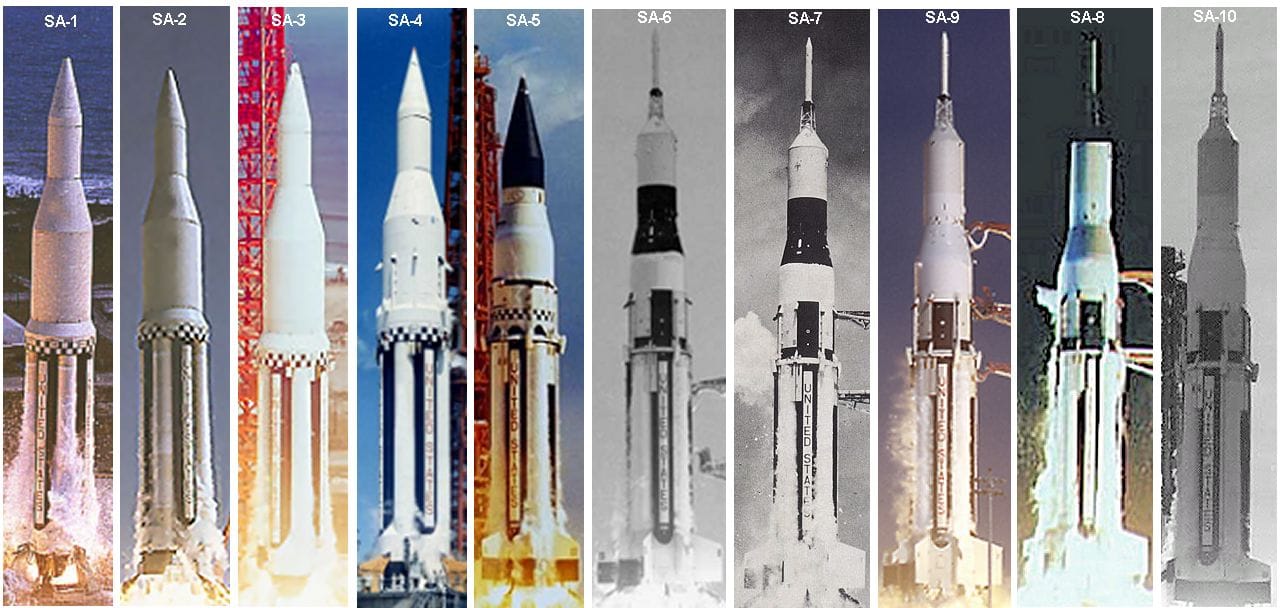
1961, October: Saturn I
The Saturn I rocket, NASA’s first heavy-lift launch vehicle, made its initial flight. It laid the technological foundation for the larger Saturn rockets that would power Apollo missions to the Moon.
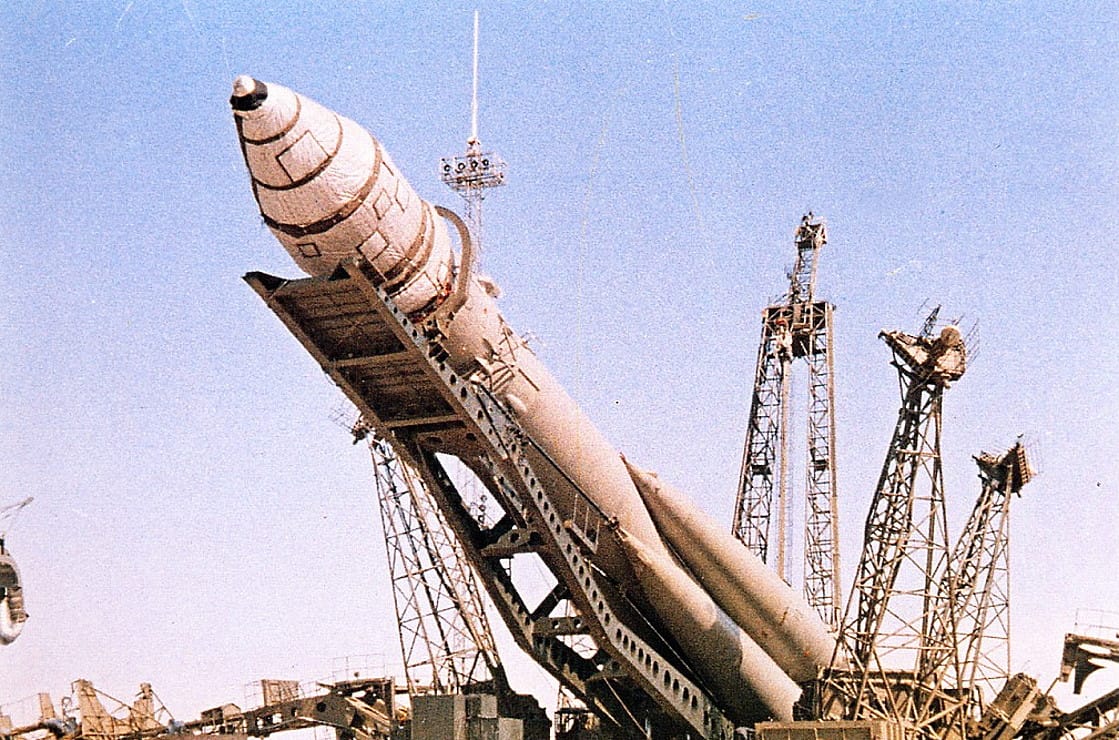
1961–1963: Vostok Program
The Soviet Union’s Vostok program carried out the first human spaceflights, beginning with Yuri Gagarin. Six crewed missions tested orbital flight, life-support systems, and human endurance in space.
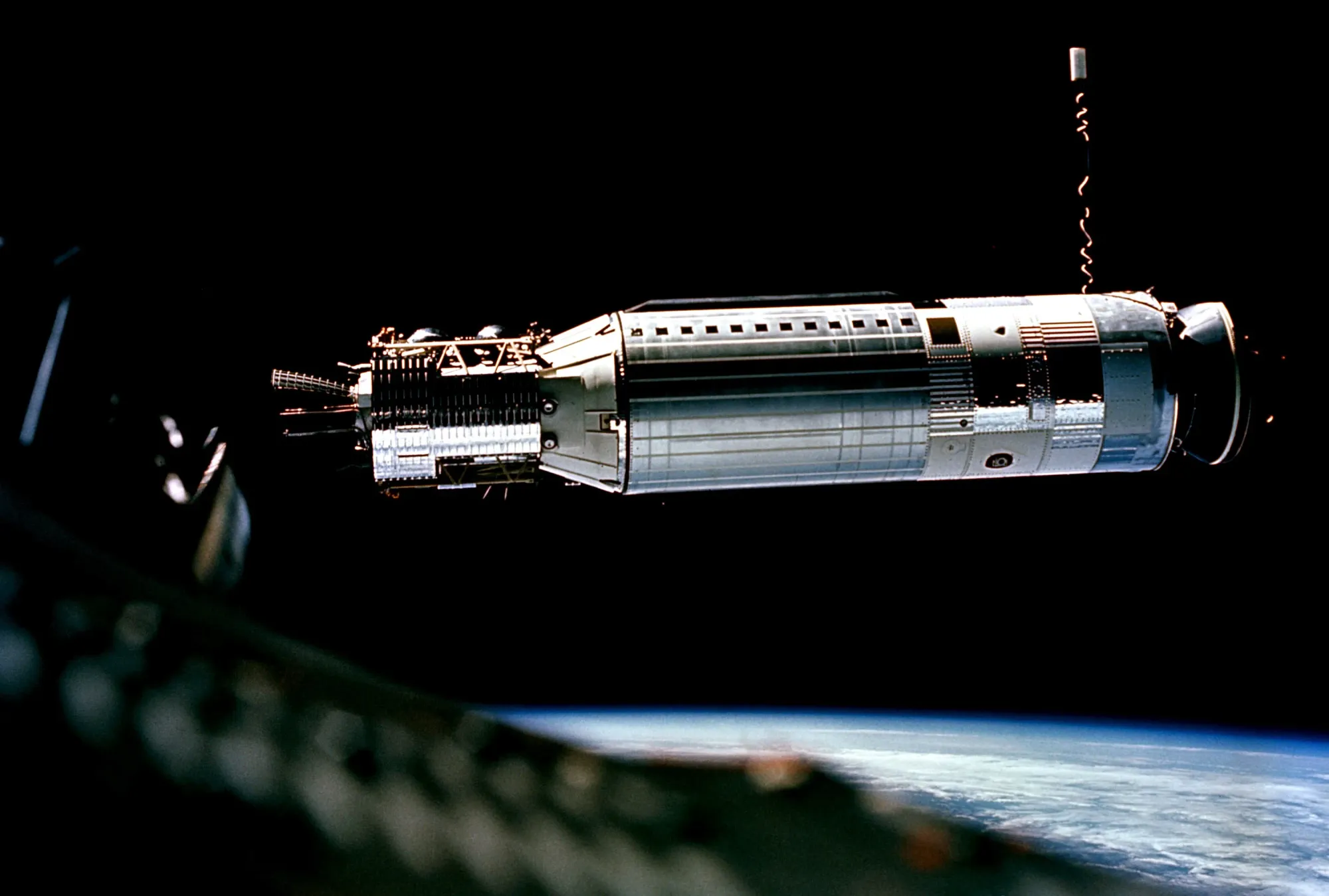
1961–1966: Project Gemini
NASA’s Gemini program bridged Mercury and Apollo by testing long-duration missions, spacewalks, and orbital maneuvers, including the first docking of spacecraft. It was crucial preparation for lunar exploration.
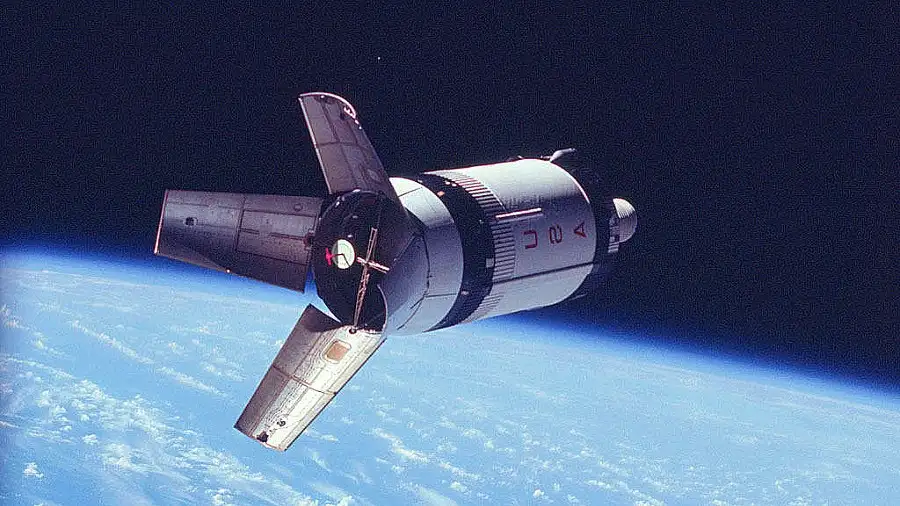
1961–1972: Apollo Program
NASA’s Apollo program was the United States’ human spaceflight effort to land astronauts on the Moon. It achieved its primary goal with Apollo 11 in 1969 and conducted six successful lunar landings before concluding in 1972.
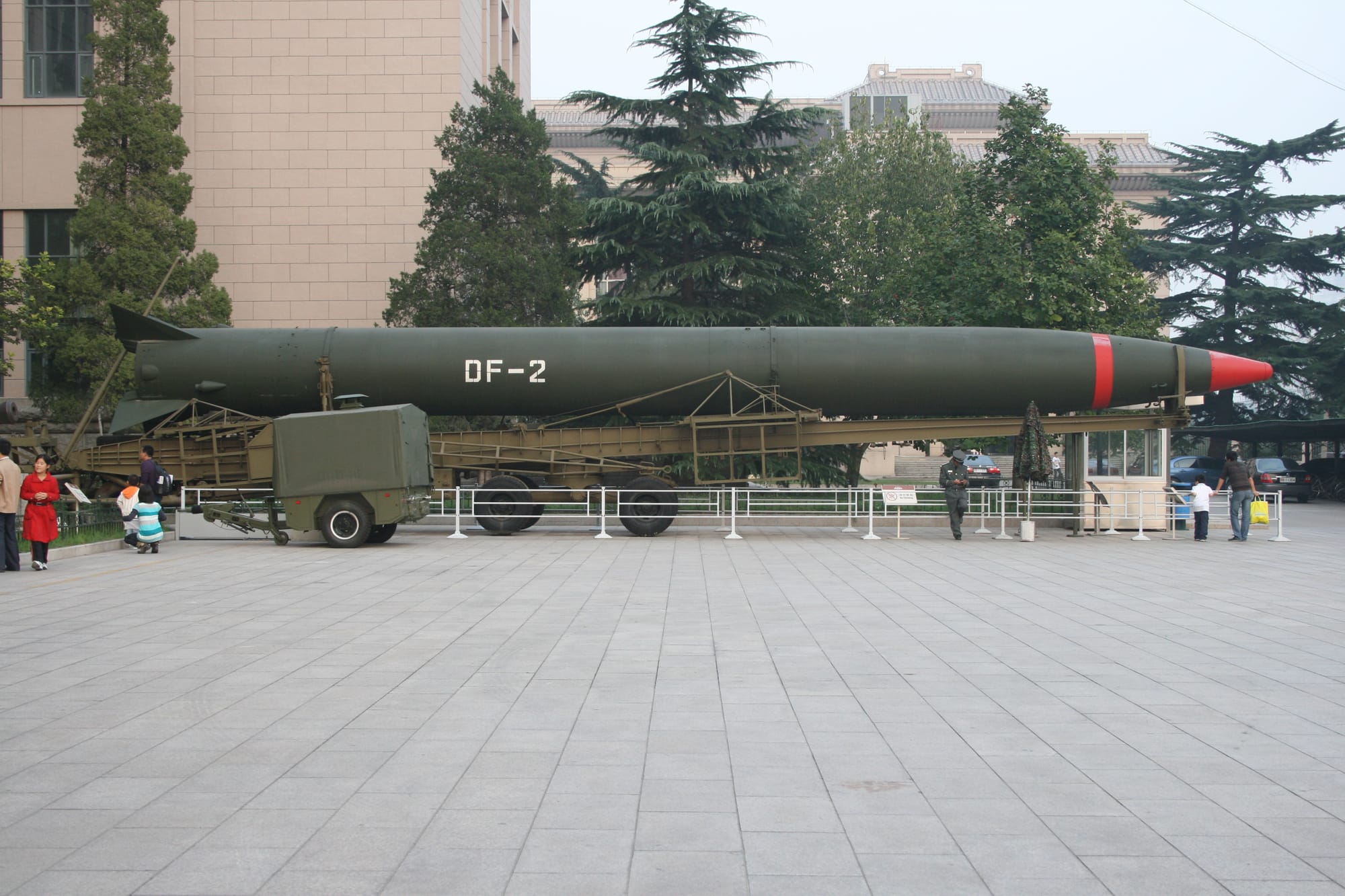
1964: Dongfeng-2, China’s First Missile
China launched the Dongfeng-2 medium-range ballistic missile, its first domestically developed design after the DF-1, a Soviet R-2 copy based on the German V-2.
1964–1965: Voskhod Program
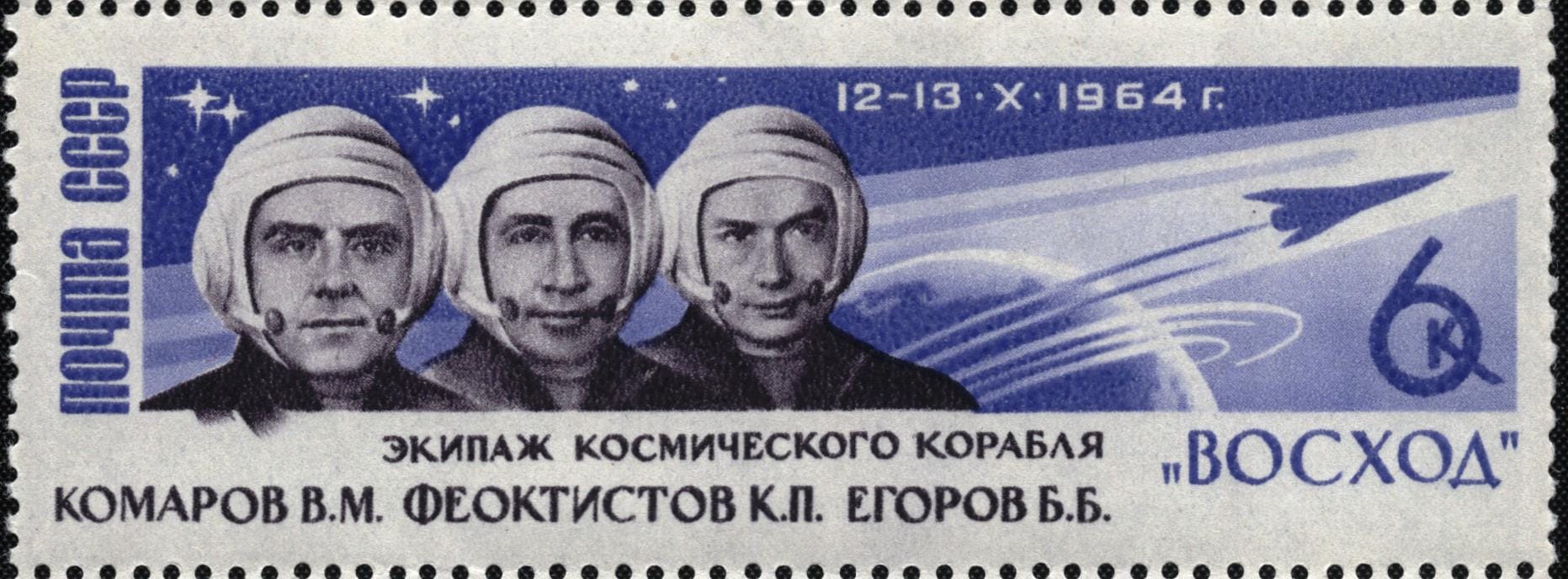
The Soviet Voskhod program adapted the Vostok design to carry multi-person crews. It achieved the first three-person flight and the first spacewalk, marking bold but risky steps in early space exploration.
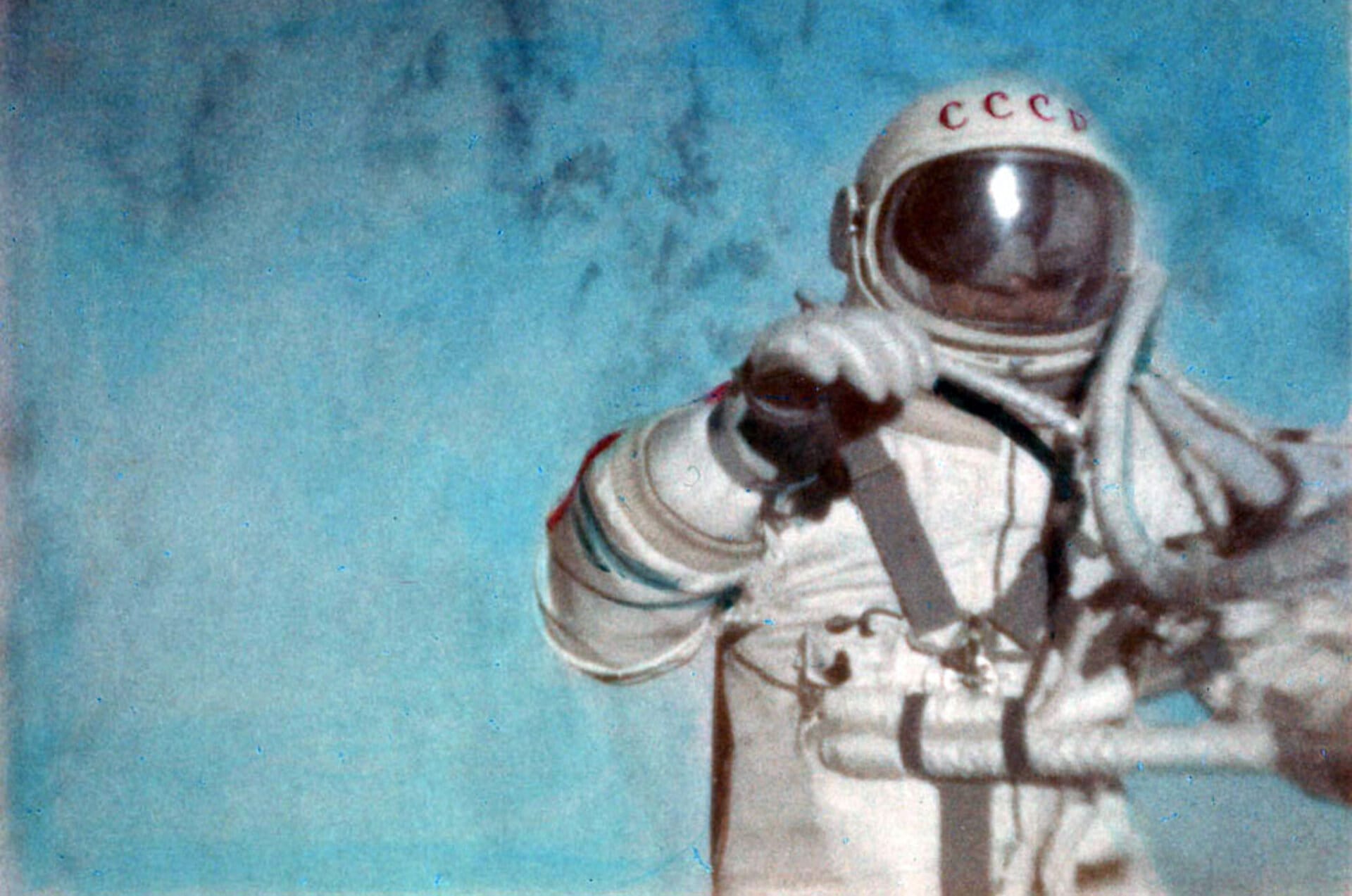
1965, March: Voskhod 2, the First Russian EVA
Cosmonaut Alexei Leonov conducted the first spacewalk, proving humans could work outside spacecraft in orbit despite serious technical challenges.
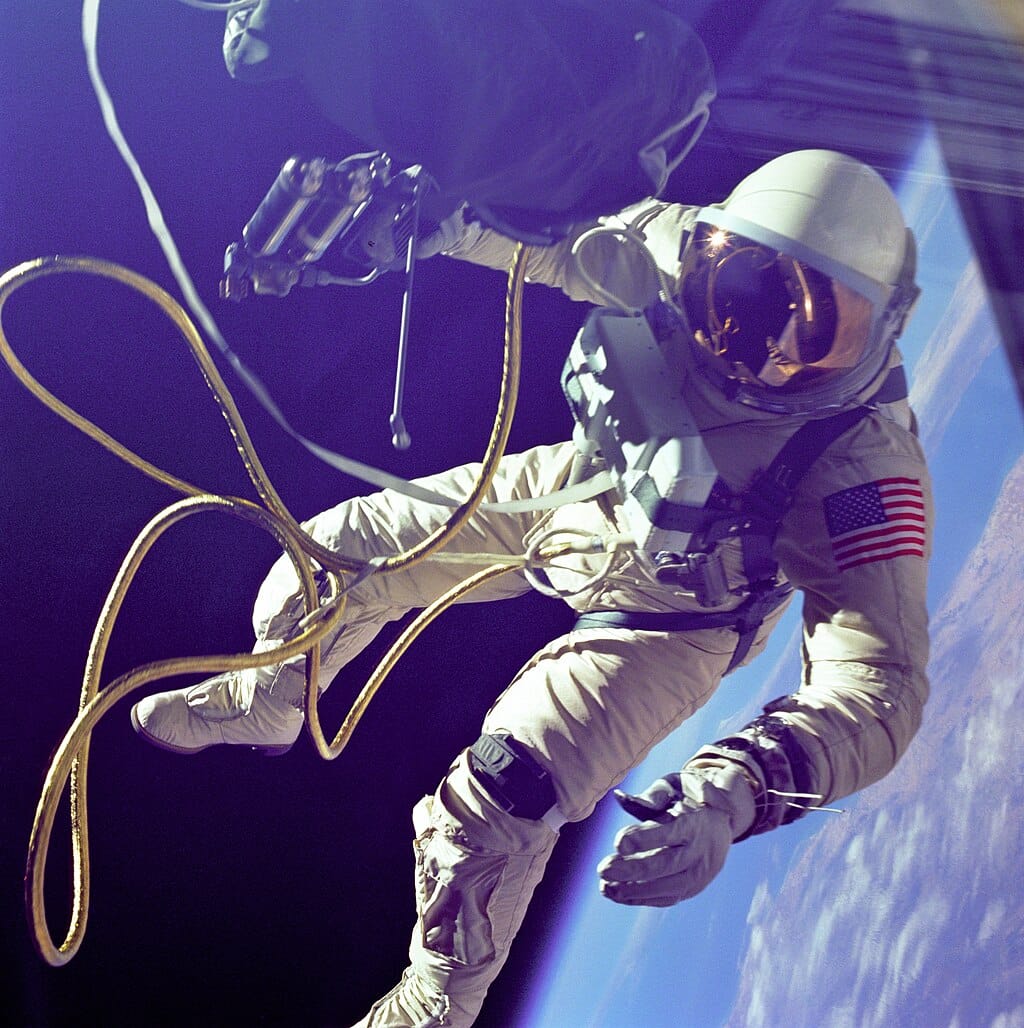
1965, June: Gemini 4, the First American EVA
Astronaut Ed White performed the first American spacewalk, advancing U.S. extravehicular operations and testing critical techniques for future Apollo missions.
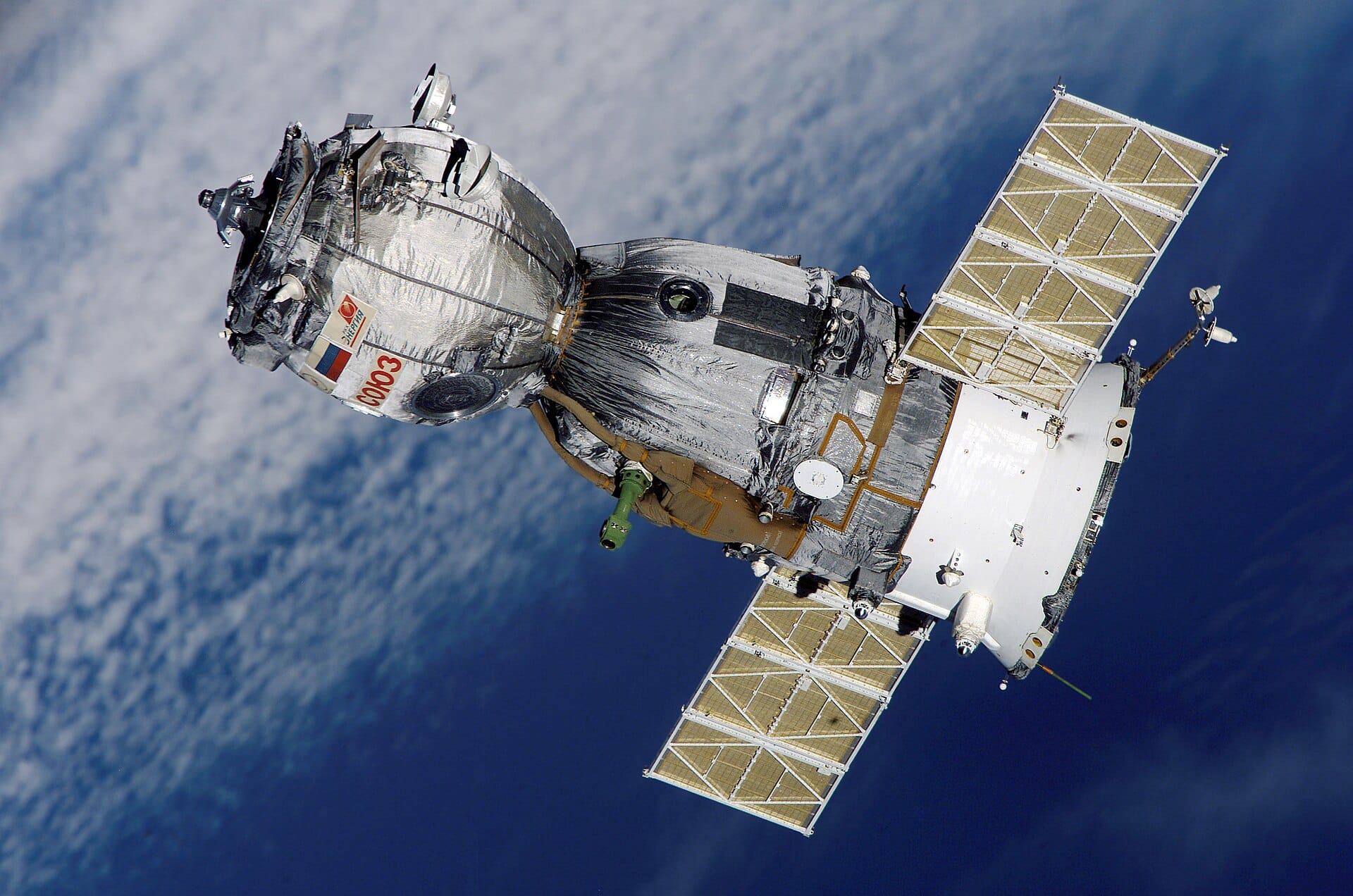
1966–present: Soyuz Program
The Soviet Union launched the Soyuz program, introducing spacecraft that became the backbone of Soviet and later Russian crewed spaceflight, still in use today with modernized versions.
1967, January: Apollo 1 Accident
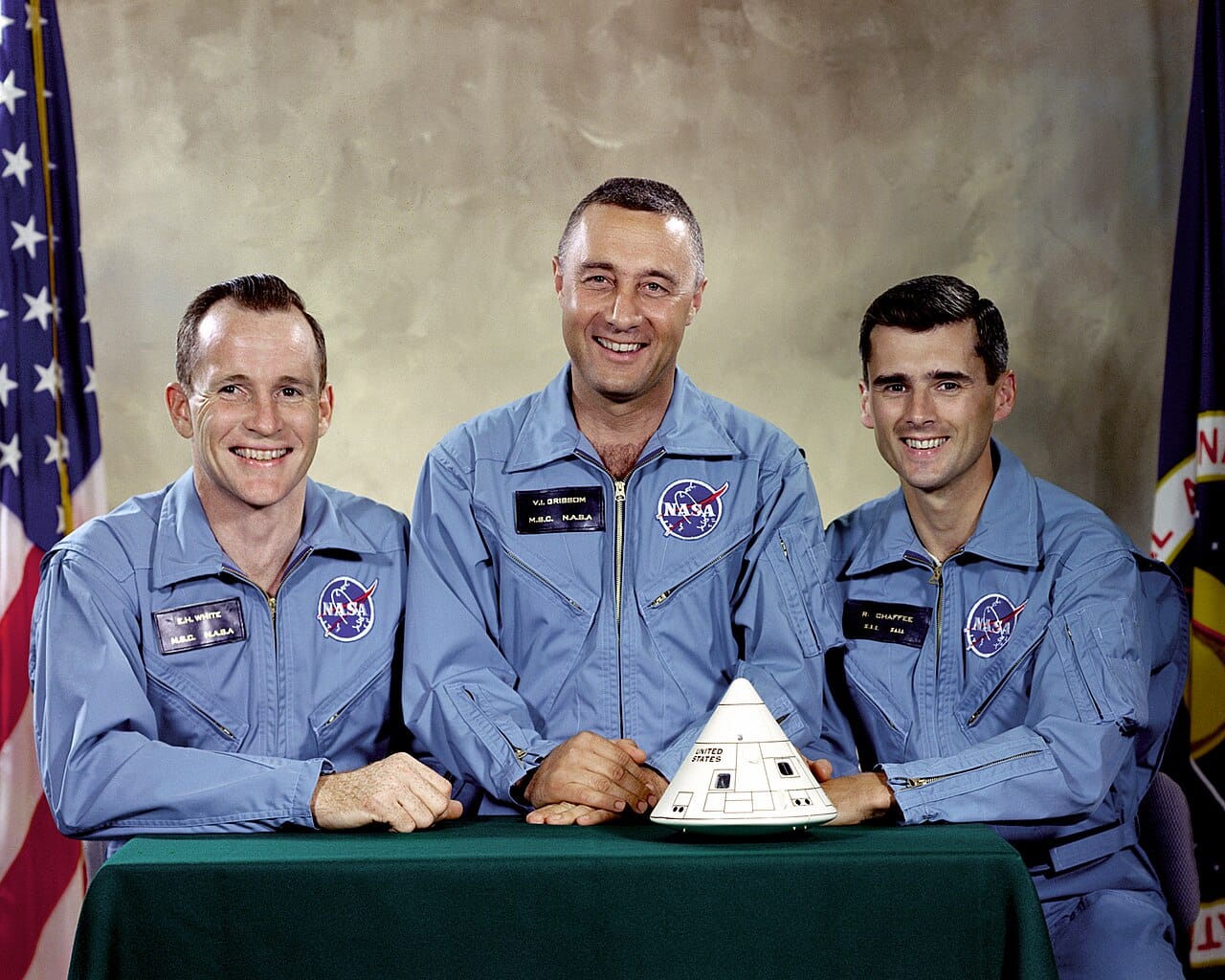
A cabin fire during a ground test of Apollo 1 killed astronauts Gus Grissom, Ed White, and Roger Chaffee, highlighting safety risks and leading to major spacecraft design reforms.
1967, April: Soyuz 1 Crash
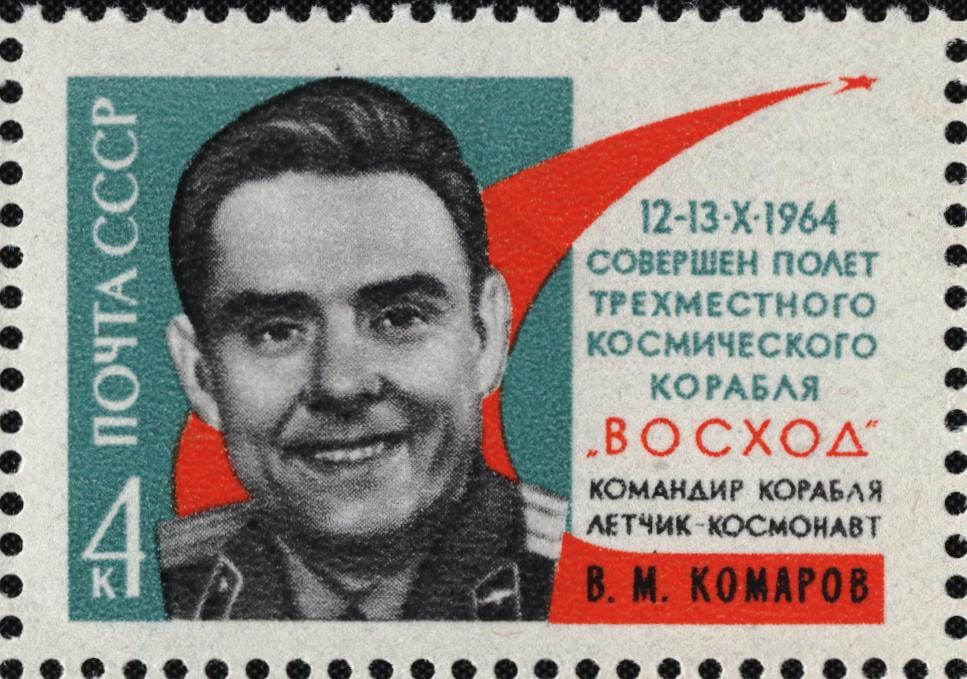
Cosmonaut Vladimir Komarov died when Soyuz 1 crashed due to parachute failure, underscoring the dangers of early spaceflight and prompting engineering improvements.
1967, October: Outer Space Treaty
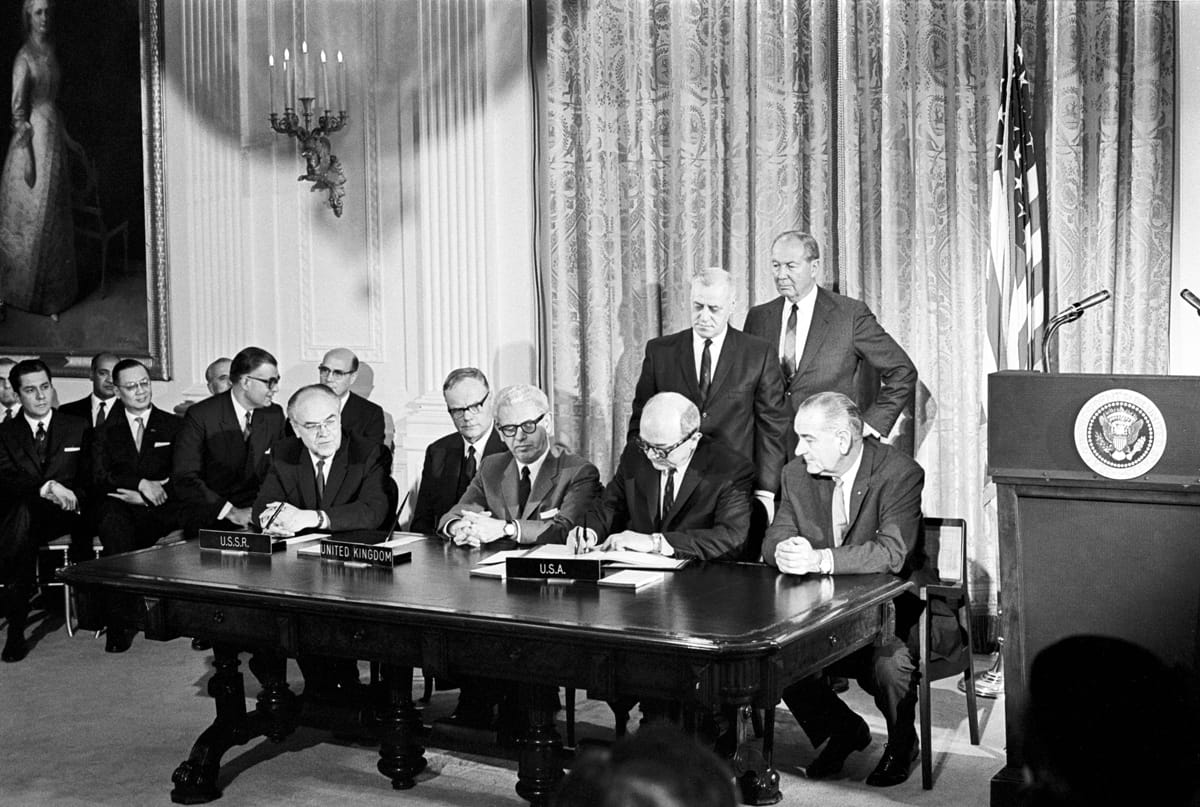
Signed by major powers, the treaty established space as a domain for peaceful purposes, banning weapons of mass destruction in orbit and providing the foundation for international space law.
1967, November: Saturn V
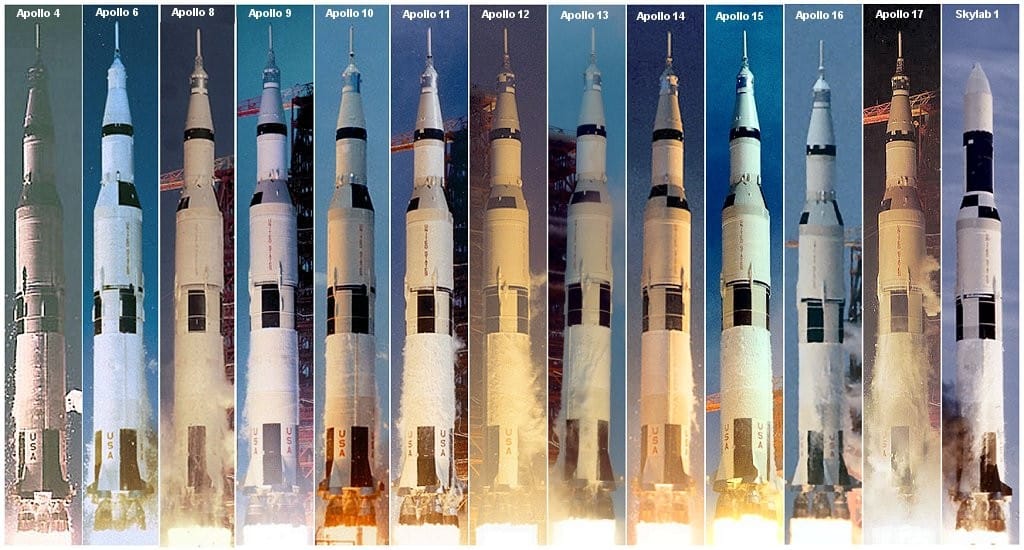
The Saturn V rocket made its debut, becoming the most powerful launch vehicle ever built and the key to sending astronauts to the Moon during the Apollo program.
1968: Apollo 8 and the Environmental Movement
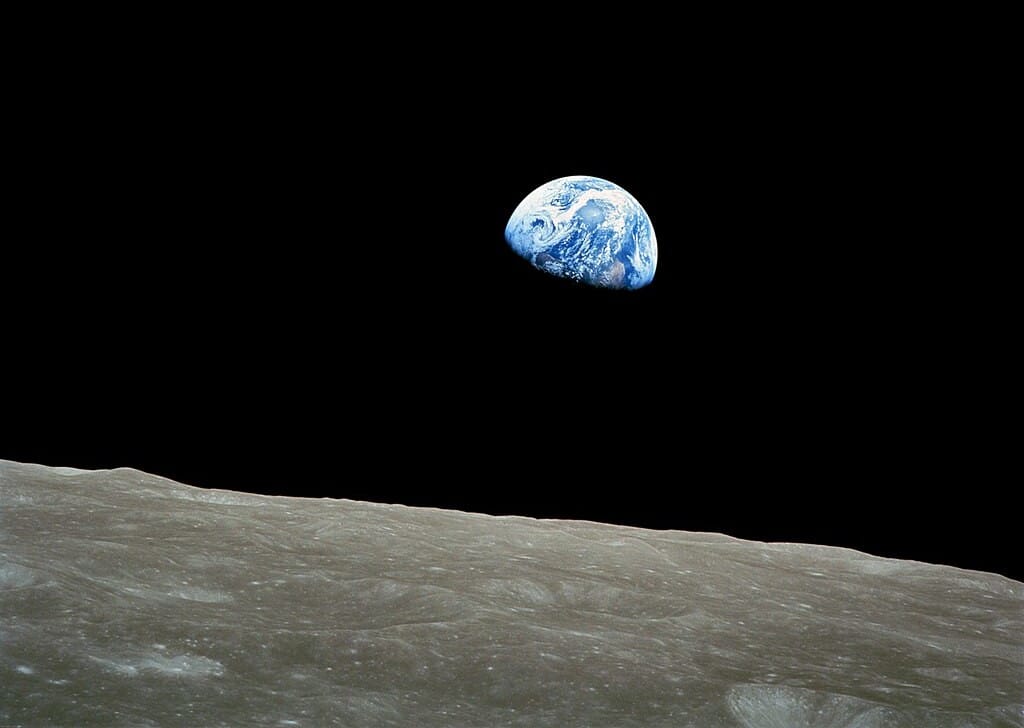
Apollo 8 carried astronauts into lunar orbit, the first crewed mission to leave Earth orbit. Its Earthrise photograph became an iconic symbol that fueled the emerging environmental movement.
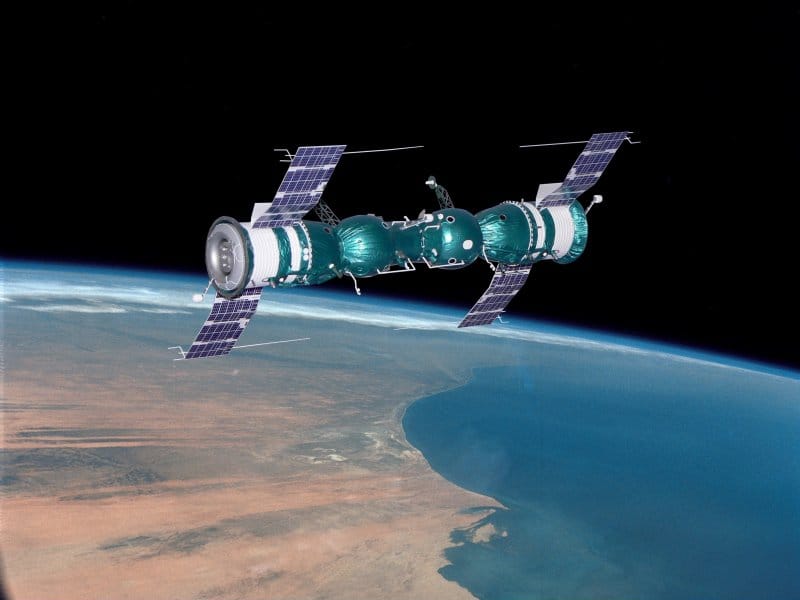
1969, January: First Docking of Two Crewed Spacecraft in Orbit
Soviet spacecrafts Soyuz 4 and Soyuz 5 achieved the first crew transfer in orbit, proving the feasibility of docking and crew exchange between vehicles.
1969, July: Moon Landing
Apollo 11 successfully landed astronauts Neil Armstrong and Buzz Aldrin on the Moon, while Michael Collins orbited above. Armstrong’s first step on the Moon marked one of humanity’s greatest achievements in exploration.
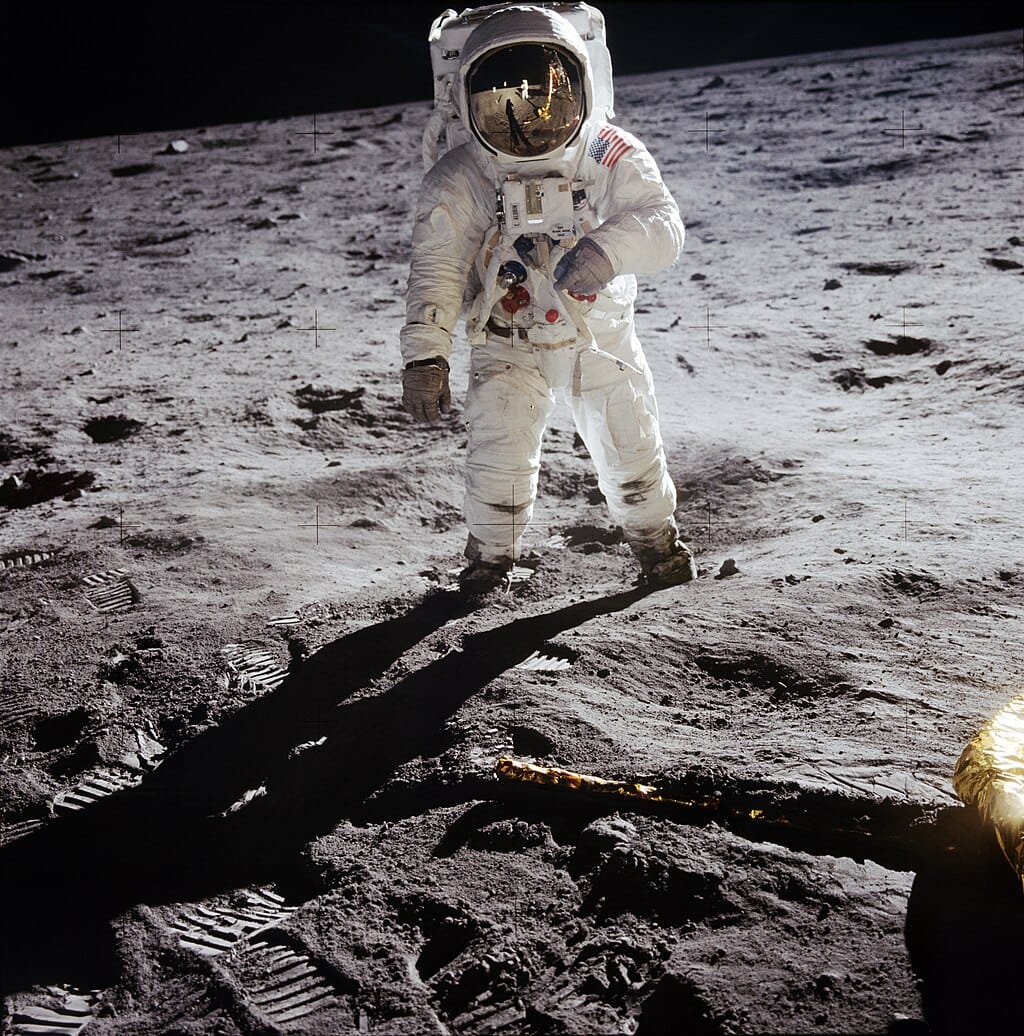
Armstrong’s historic first words on the Moon. Source: NASA.
0:00
/7.699478
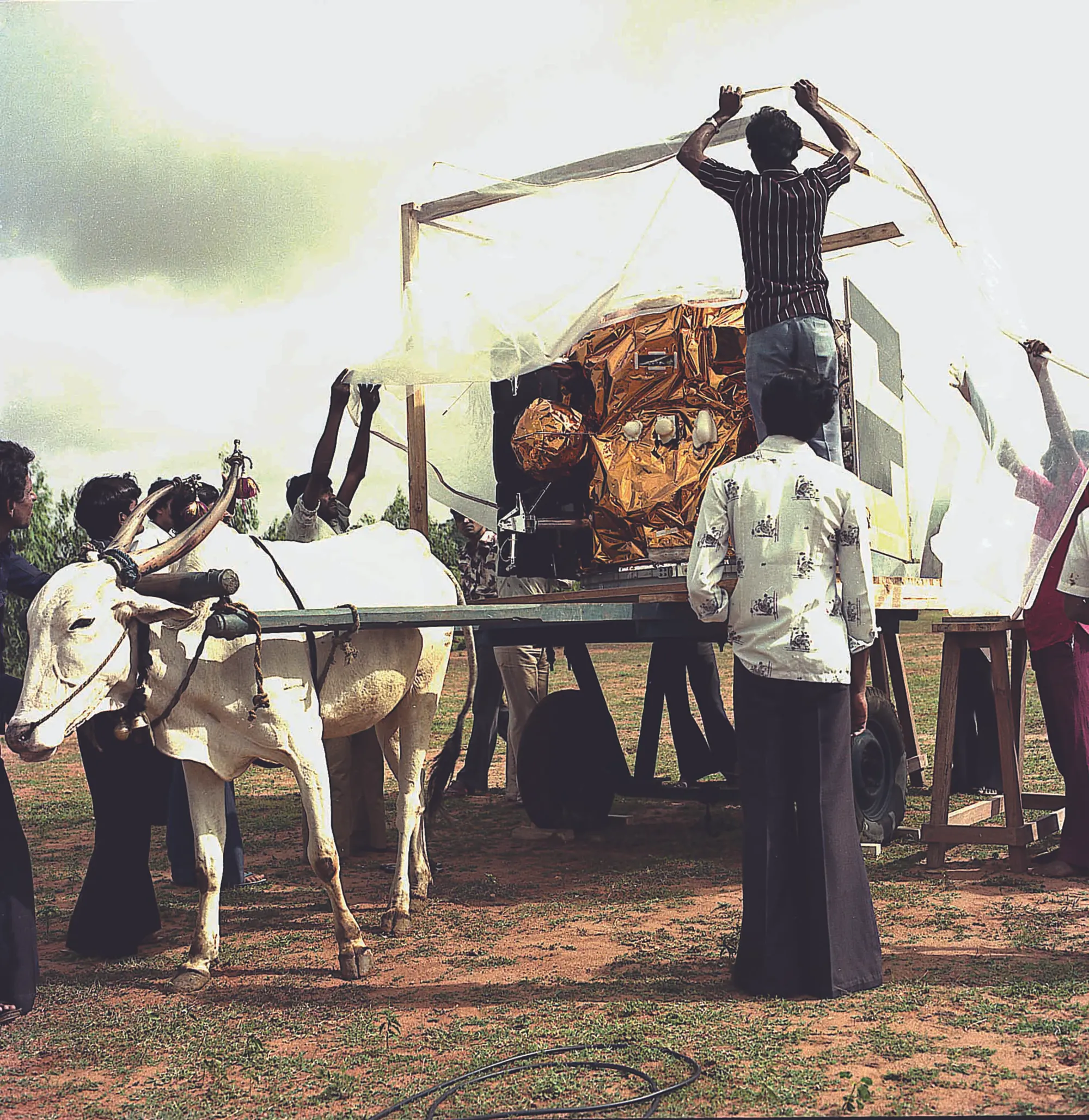
1969, August: Formation of ISRO
India established the Indian Space Research Organisation, replacing the earlier Indian National Committee for Space Research. The reorganization institutionalized India’s space research under a dedicated national agency to coordinate and advance its space program.
1970, April: Long March 1 and China’s First Satellite
China successfully launched the Long March 1 rocket, placing Dong Fang Hong 1 into orbit as its first satellite, thus making it the fifth country to independently launch a satellite into space.
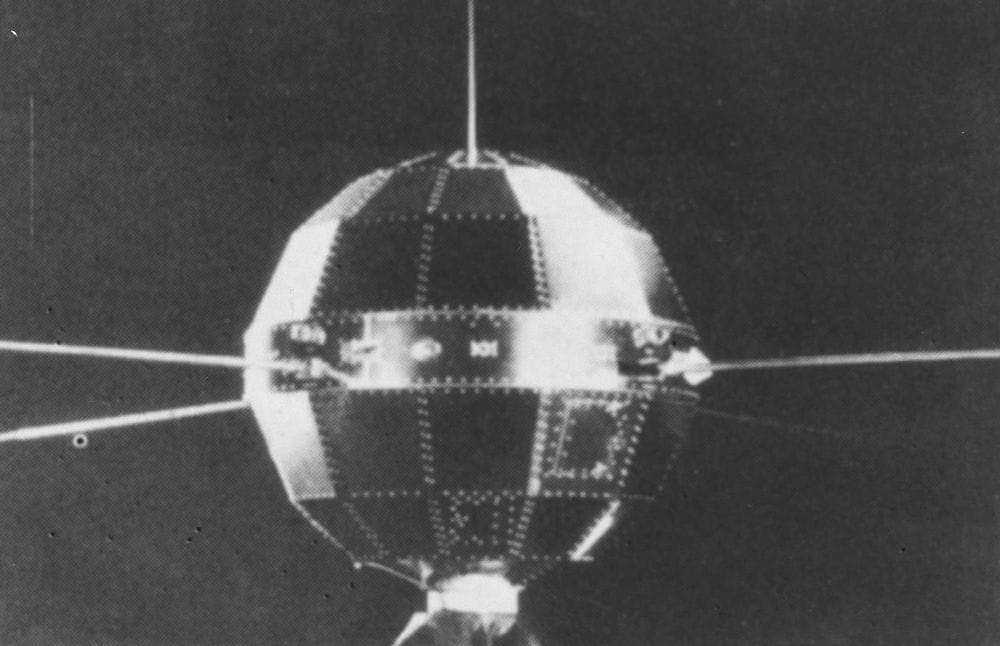
Dong Fang Hong 1 broadcasting "East is Red". Source: Sounds from Space.
0:00
/173.897143
1970, October: Formation of NOAA
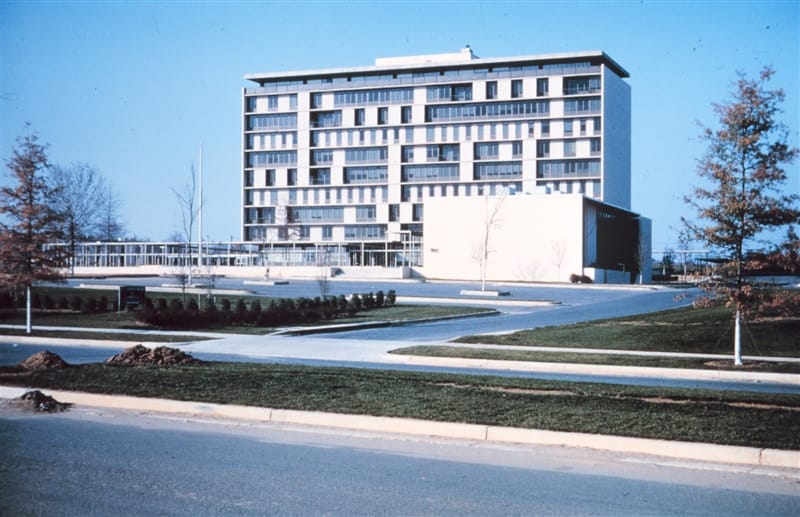
The United States established the National Oceanic and Atmospheric Administration to oversee weather, climate, and environmental monitoring. NOAA became responsible for operating civilian meteorological satellites critical to space-based Earth observation.
Summary